After more than 7 years working as a Project Engineer across residential, commercial, and industrial sites — from Dammam in Saudi Arabia’s Eastern Province to projects across Pakistan — I still get some version of the same question from people outside the industry: “So what exactly do you do all day?”
The honest answer is that the role covers a lot more ground than most people expect. A Project Engineer isn’t just someone who “checks on construction” — the job sits at the intersection of design, planning, procurement, documentation, and site execution, and it’s the connective tissue that keeps a project moving from drawing to handover.
Here’s what that actually looks like in practice, based on my own experience on projects like the EBARA Pumps Expansion in Dammam and the Sagheer Avenue G+6 and Residential Villas projects in Pakistan. (Link each to its case study page once built.)
A Project Engineer is the technical link between the design team, the consultant, the contractor, procurement, and the client. The job is to make sure work on site actually matches what was approved on paper — in terms of drawings, specifications, quality, budget, and schedule.
Unlike roles that are purely field-based, a Project Engineer’s involvement starts well before the first excavation and continues through planning, procurement, construction, documentation, inspections, reporting, and closeout. See my full Core Expertise breakdown for how this plays out across a typical project.
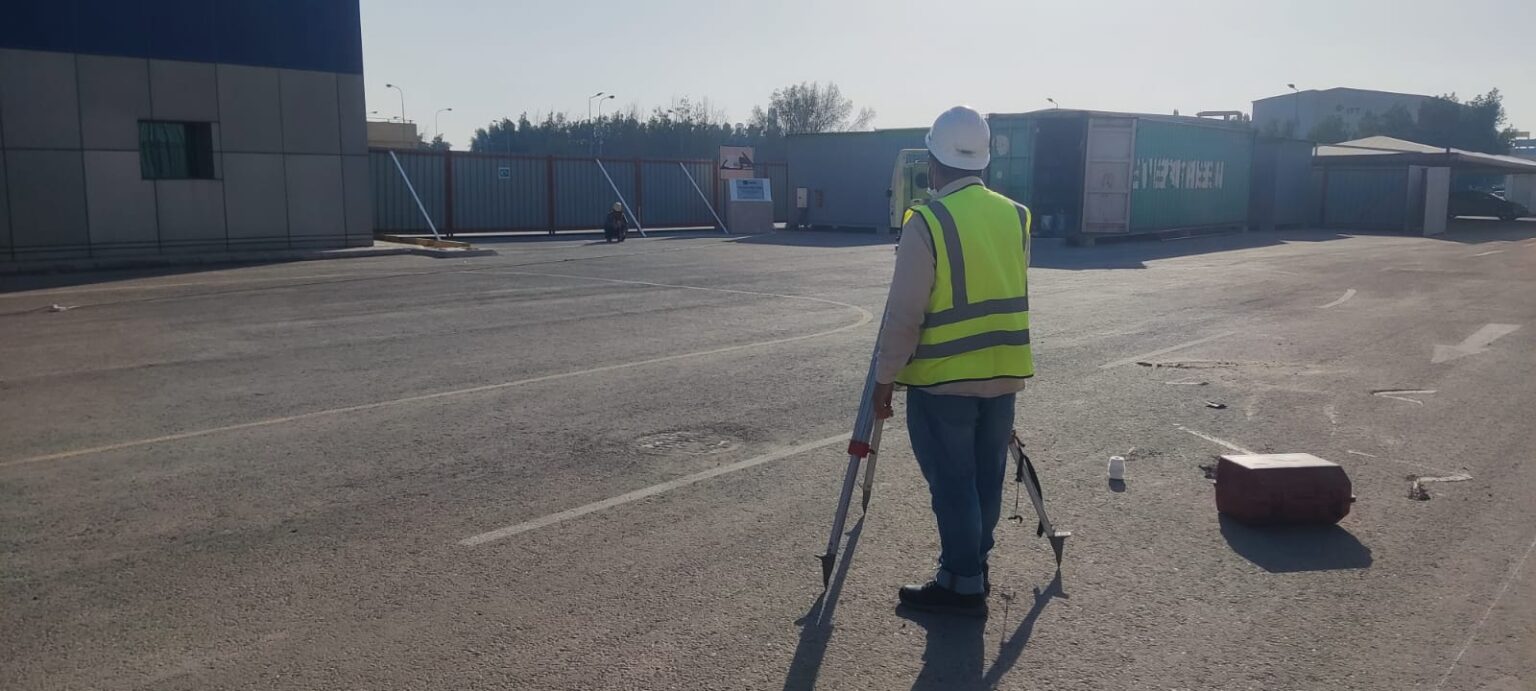
A typical day for me might involve reviewing shop drawings, coordinating with a subcontractor on a scheduling conflict, responding to a technical query from the consultant, updating a progress report, or reviewing a material submittal before it goes for approval. Multiply that across residential, commercial, and industrial projects, and the constants are the same: clear technical judgment and constant communication between everyone involved.
One of the most valuable parts of the role is catching problems before they become expensive on-site rework. That means cross-checking architectural, structural, electrical, fire alarm, fire fighting, plumbing, and HVAC drawings against each other — a process known as clash detection — to identify conflicts before construction reaches that point.
On a project like EBARA Pumps Expansion, this kind of early coordination between civil, mechanical, and electrical scopes is what keeps an industrial project like this on schedule. I go into more depth on this in the Core Expertise section of my portfolio.
Keeping a project on the approved schedule means constantly tracking progress against plan, updating resource plans on a quarterly basis, preparing method statements and bar bending schedules, estimating quantities, and — critically on larger projects — tracking long lead items well ahead of when they’re actually needed on site.
Construction generates a lot of paperwork, and managing it properly is part of the job, not a side task. On any given project I’m maintaining:
For industrial projects specifically, this can also include monthly reporting to authorities like MODON, which comes with its own documentation standards.
Project Engineers also play a technical role in procurement — reviewing supplier proposals, preparing comparison sheets for vendor and subcontractor selection, and making sure materials selected actually meet the project’s budget and quality standards, not just the lowest bid.
Accurate reporting is what lets everyone — client, consultant, and internal management — make good decisions. Daily progress reports, weekly reports to the client and consultants, and monthly reports (including MODON submissions on applicable industrial projects) are how progress actually gets tracked and communicated, rather than assumed.
None of the above works without constant communication — with clients, consultants, architects, structural and MEP engineers, procurement teams, contractors, subcontractors, and the site team itself. Most of the actual problem-solving in this job happens in these conversations, not at a desk.
These two roles often get confused, and I’ve worked both (I started as a Civil Supervisor and Civil Site Engineer before moving into Project Engineer roles).
A Site Engineer focuses primarily on day-to-day construction activity — making sure work on site matches approved drawings and specifications.
A Project Engineer has a broader scope: planning, coordination, documentation, procurement support, technical review, progress monitoring, and stakeholder communication, in addition to supporting what’s happening on site. In practice, a lot of Project Engineers (myself included) build up to the role by working as a Site Engineer or Supervisor first — the field experience is what makes the coordination work possible later.
Project Engineers are needed across residential, commercial, and industrial construction, as well as manufacturing, infrastructure, energy, and water/wastewater projects. My own experience spans residential villas, a G+6 commercial building, a G+10 residential tower, and an industrial pump station expansion — which is part of why the coordination skills transfer well between project types.
How is clash detection different from a general drawing review?
Clash detection specifically cross-checks multiple discipline drawings (architectural, structural, MEP, fire systems) against each other to find physical conflicts — not just checking one drawing against the specification.
Do Project Engineers need to be registered with a professional body?
It varies by country, but professional registration adds credibility and is often expected on larger projects. I’m registered with both the Saudi Council of Engineers (SCE) and the Pakistan Engineering Council (PEC) — more on that on my About section.
Can a Project Engineer move into a Project Manager role?
Yes — it’s a common career path, though the two roles differ. A Project Manager owns overall project delivery; a Project Engineer focuses on technical coordination, documentation, and site-level support. Many senior Project Engineers move into Construction Manager or Project Manager roles with experience.
Aown Muhammad is a Project Engineer based in Dammam, Saudi Arabia, registered with the Saudi Council of Engineers (SCE) and the Pakistan Engineering Council (PEC), with 7+ years of experience across residential, commercial, and industrial construction projects in Saudi Arabia and Pakistan. View full portfolio and projects →